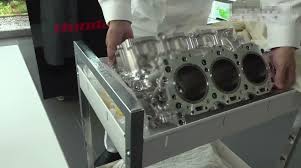
Organized from biggest to smallest parts
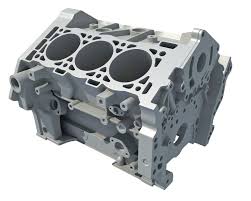
Engine Block (Cylinder Block)
What It Does: It contains the cylinders, which are the place in which the combustion and explosions that generate electricity happen. As the main structural component, it aligns and supports other vital components, such as the connecting rods, crankshaft, and pistons (functions of all parts mentioned later included), allowing them to function together. The alignment and durability are vital in racing, any misalignment or weakness could result in engine failure during high-speed laps and hinder performance.
What it’s made of: The engine block is built from lightweight, long-lasting materials to withstand extreme heat, pressure, and friction. Aluminium alloys are commonly used in Formula 1 because they are lightweight enough to maintain the car’s weight while also being strong and heat-resistant. Aluminium’s ability to endure temperatures of 1,000°C or higher and the intense strains of racing without gaining extra bulk is essential for preserving the speed and agility required of an F1 car. In certain places that need more durability, high-strength steel or titanium reinforcements are occasionally also used.
Cooling System
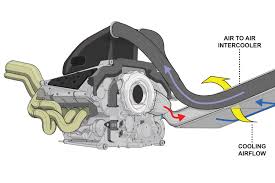
What it does: The cooling system in an F1 engine makes sure the engine runs at ideal temperatures, preventing overheating during extreme racing conditions. It prevents damage to the engine’s parts and maintains performance levels by controlling the heat generated by combustion and friction.
What it’s made of: The cooling system uses materials that are heat-resistant for example aluminum for the radiators and lightweight polymers for fittings and hoses. The materials are designed to resist corrosion, endure extreme temperatures, and stay lightweight.
Exhaust System
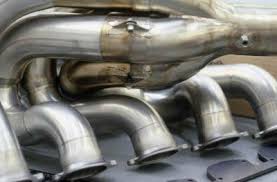
What it does: The exhaust system removes the gases produced in the engine’s cylinders during combustion. By reducing back pressure and enhancing exhaust gas evacuation, it significantly contributes to better engine efficiency. The design of the exhaust system also affects the car’s performance and sound.
What it’s made of: Made from heat-resistant and lightweight materials like Inconel (nickel-based alloy) and titanium, the exhaust system resists extremely high temperatures which are generated by the engine, while minimizing weight.
Air Intake System
What it does: The air intake system’s purpose is to provide the engine with clean and filtered air, ensuring the engine receives the just right amount of oxygen that is needed to efficiently burn fuel and produce maximum power.
What it’s made of: The air intake system is mainly made of carbon fiber composites, to be lightweight and durable. The materials help with aerodynamics by incorporating themselves effortlessly with the car’s design.

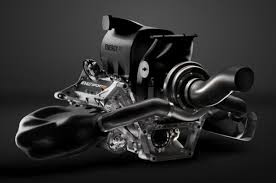
Intercooler
What it does: An intercooler cools the hot compressed air from the turbocharger before it enters the engine. Cooler air is denser, which means it contains more oxygen. This allows the engine to burn fuel more efficiently and produce more power.
What it’s made of: The intercooler is typically made of aluminum due to its thermal conductivity and lightweightness, which allows for easy dissipation of heat while keeping the car’s general weight low.
Turbocharger
What it does: A turbocharger compresses the air that enters the engine, allowing more fuel to be burned and increases power output. It is a key element in improving performance without making the engine larger.
What it’s made of: Turbochargers are made of inconel and titanium which handle well the extreme temperatures and pressures produced.
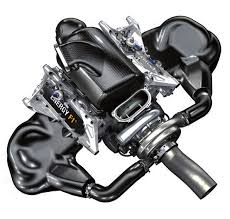
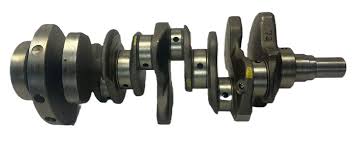
Crankshaft
What it does: The crankshaft uses the linear motion of the pistons to convert the motion into rotational motions, which is then used to drive the car’s wheels.
What it’s made of: It is usually made of titanium alloys or high-strength steel, the crankshaft is designed to undergo the forces and stresses of an F1 engine.
Valvetrain
What it does: The valvetrain is in charge of the function and timing of intake and exhaust valves, making sure there is proper airflow in and out of the cylinders.
What it’s made of: The valvetrain is made from components such as valves and camshafts regularly are made from lightweight but durable and lasting materials like titanium and carbon composites which withstand heat and high RPMs (Revolutions Per Minute).
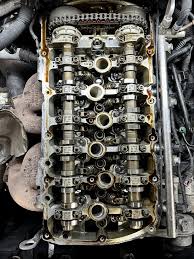
Oil Lubrication System
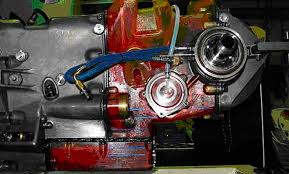
What it does: The oil lubrication system’s purpose is to form a film between moving parts, to prevent contact between metal parts, avoiding the pieces to wear down and helps scatter heat.
What it’s made of: The oil itself is a high-performance synthetic mix which is made to withstand extreme temperatures and pressures. The oil pump, and other components are typically made of magnesium alloys as well as aluminum for its lightweightness.
Fuel System
What it does: The fuel system provides the engine with specific quantities of fuel that are needed for combustion median advanced injection technologies to make the most of power output and efficiency.
What it’s made of: The injectors are crafted from high strength materials such as stainless steel or carbon fiber, which are materials that ensure durability and reliability under the temperatures and pressures of and F1 engine.
Energy Storage System
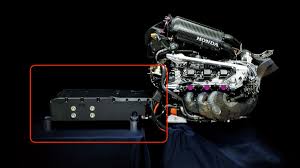
What it does: This system stores and controls electrical energy for several components of the car, including the hybrid power unit. It is a vital part of the ERS (energy recovery system) (function of the system mentioned, later included).
What it’s made of: It’s made of advanced lithium-ion batteries which are commonly used due to their energy density and lightweight properties. The control electronics are encased in heat-resistant from carbon fiber or aluminum.
Energy Recovery System (ERS)
- MGU-K
What it does: It recovers energy during braking and transforms it into electrical energy, which is stored in the battery for later use
- MGU-H
What it does: It recovers energy from the heat of the exhaust gases and transforms it into electrical energy to recharge the battery or increase performance.
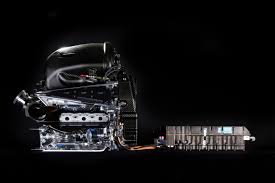
Engine Control Unit (ECU)
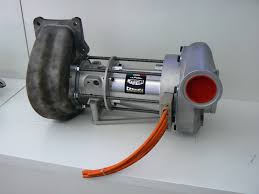
What it does: The ECU acts like the brain of the engine, controlling all electronic systems and ensures peak performance by adjusting the limits in real-time basing itself off on data from sensors.
What it’s made of: The ECU is encased in strong and lightweight casing of carbon fiber or aluminum. Inside the casing, it has advanced microprocessors and circuits which are deigned to process data very quickly.
Ignition System
What it does: The ignition system creates the spark that ignites the air-fuel mix in the cylinders of the engine starting the combustion process. The precision of the timing of the spark is important for engine efficiency.
What it’s made of: Spark plugs are normally made of iridium or platinum electrodes because of their durability and reliable performance under high heat.
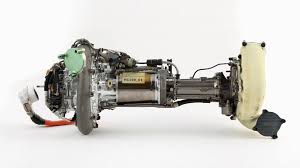
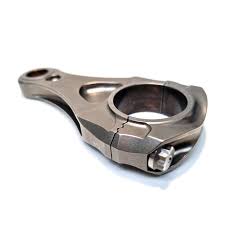
Connecting Rods
What it does: They link together the pistons and the crankshaft, transferring the force of combustion to rotational motions.
What it’s made of: Normally made from titanium alloys connecting rods are made to be incredibly strong but lightweight to handle the stresses of an F1 engine.
Cylinders and Pistons
What it does: The cylinders house the pistons, which do motions up and down during the combustion process to generate power. Pistons compress the air-fuel mix before ignition which is important to achieve high power outputs.
What it’s made of: Pistons are often made of aluminum alloys because of their properties, while the cylinders are reinforced with liners or coats from materials like steel or ceramic composites for durability.